A stark digital divide between cities and rural zones
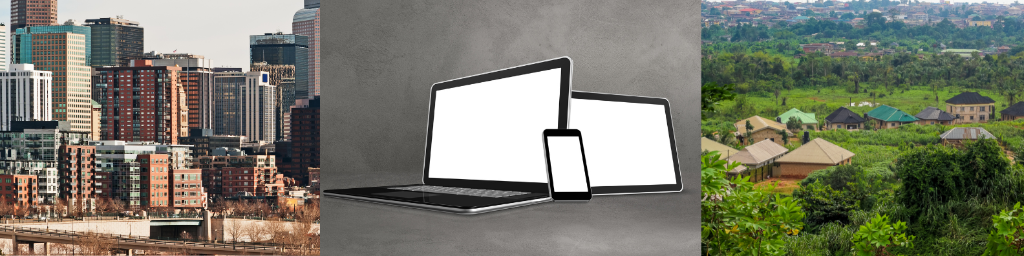
In Africa, the contrast in connectivity between rural and urban areas is stark. While cities benefit from modern digital infrastructure — fiber optics, 4G networks, Wi-Fi hotspots, and a wide choice of service providers — rural areas are largely left behind. This gap has created a digital divide that directly affects rural populations' living conditions, access to information, and socioeconomic opportunities.
According to a study from Yenkasa Africa (2022), only 23% of the inhabitants in rural zones in Sub-saharan Africa have access to Internet, compared to 51% in urban zones.
Overly expensive infrastructure
Internet deployment in rural areas is largely held back by a lack of infrastructure. Installing relay antennas, laying cables and maintaining equipment in remote areas is expensive. For telecom operators, the ROI is low because population density is lower and revenues are smaller. As a result, many villages remain without network coverage, or rely on slow, unstable connections..
And where a connection does exist, it often costs disproportionately more relative to local income. In some rural areas, a monthly subscription can eat up 20% to 30% of household income, putting Internet access effectively out of reach for many (Alliance for Affordable Internet, 2023).
Lost opportunities for education, agriculture and the local economy
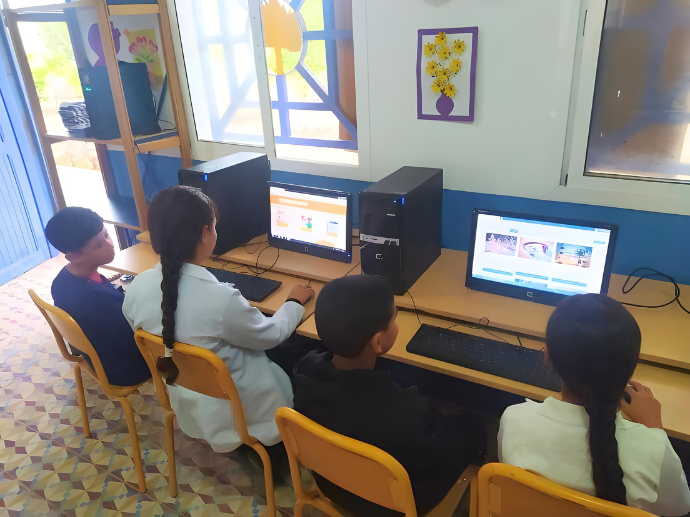
This lack of connectivity deprives millions of people of essential services and opportunities. In education, many young people in rural areas have no access to digital resources or online classes, and teachers have limited access to ongoing training or up-to-date teaching materials.
In agriculture, the lack of Internet access means farmers can't check weather forecasts, track market prices or get technical advice through digital platforms — a direct loss of productivity and income.
And economically, the lack of connectivity limits the growth of small local businesses that could otherwise go digital, sell online, or access management and financing tools.
What's being done to close the gap ?
Several initiatives are emerging to bridge this divide. The African Union has set an ambitious target of connecting 80% of the population by 2030, relying in part on hybrid strategies that combine offline Internet, satellite connectivity, and community networks, according to AP News, 2022.
Local companies are also developing solutions tailored to rural realities — such as offline digital content hubs (like DataCup) or portable Wi-Fi relays. NGOs and foundations, including the Zuri Foundation or iSchool Africa, likewise working to bring digital educational content and equipment to rural schools.
Bridging the digital divide for real digital inclusion
The gap between urban and rural areas is not just a question of infrastructure; it is a question of equal access to knowledge, opportunities and participation in the digital economy. Without proactive, inclusive policy, millions of people will remain on the margins of an increasingly connected world.
 Duddal
 SOS Children's Villages Niger

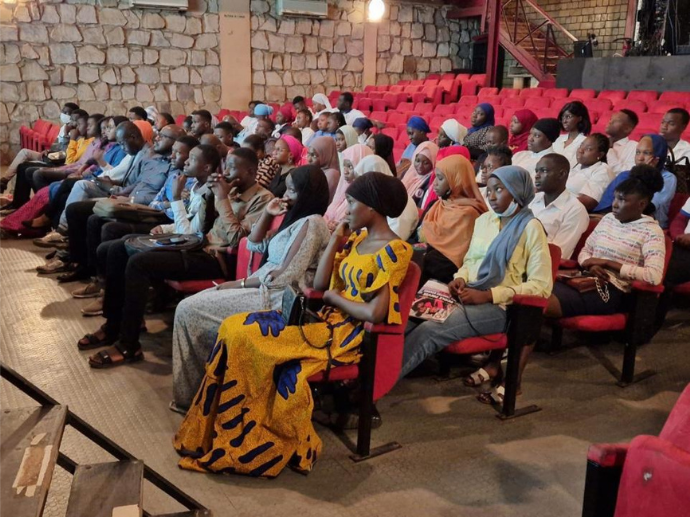
How the divide between rural and urban areas affects connectivity