Au fil des années, DataCup poursuit sa mission : faciliter l'accès à la connaissance pour les personnes sans accès à Internet. Comment ? Grâce à notre solution matérielle et logicielle, la box DataCup, qui diffuse un réseau wifi local. Les utilisateurs qui s’y connectent accèdent à des ressources numériques préchargées, sans avoir besoin de connexion Internet.
Notre portail embarqué les accueille alors en 4 langues :
- français,
- anglais,
- espagnol et
- arabe.
Mais environ 75 % de la population mondiale ne parle aucune de ces langues. C’est précisément pour ces personnes que nous pouvons, et voulons, aller plus loin, notamment en proposant des langues locales.
For that exact purpose, we have collaborated with Mopti's Alliance Française in Mali, who is leading the Fasodenyathèque project : our objective is to strengthen social cohesion, by providing access to around 1,000 resources to young people, with subjects such as citizenship, governance and lasting peace.
Very early on, we did identified the importance of translating the on-board portal in bambara, Mali's most spoken official language.
In fact, the Alliance Française was already in the possession of a DataCup which was available in french, which they used in activities for young people on Saturdays at their local media library. The activity hosts noticed that among all the available content, young people were most interested by the content from the Malibox : a list of 142 audio, video and text files on Malian culture, recorded over the years by the Institut français.
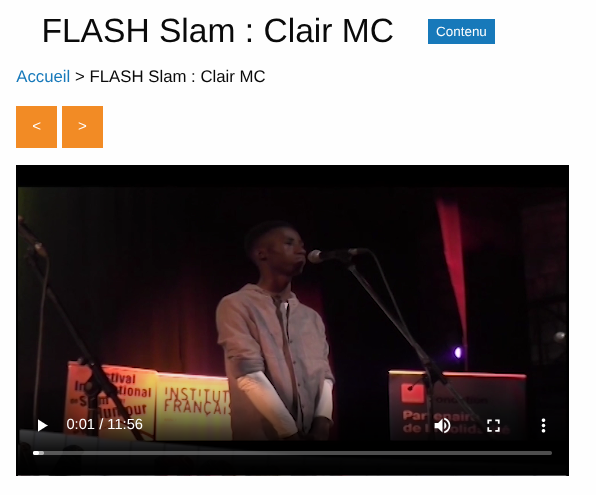
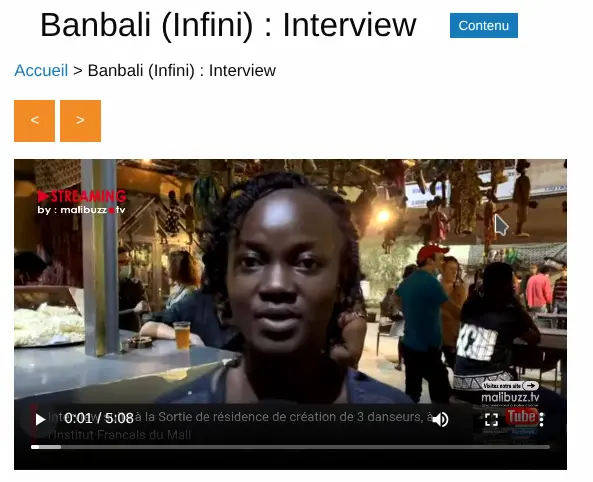
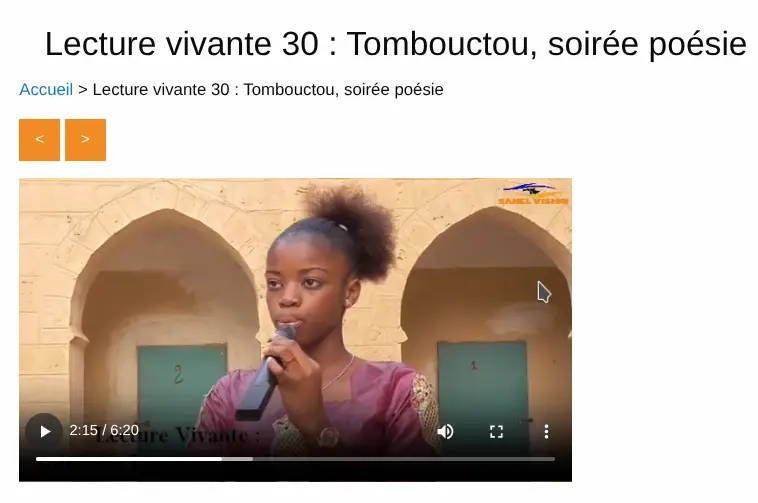
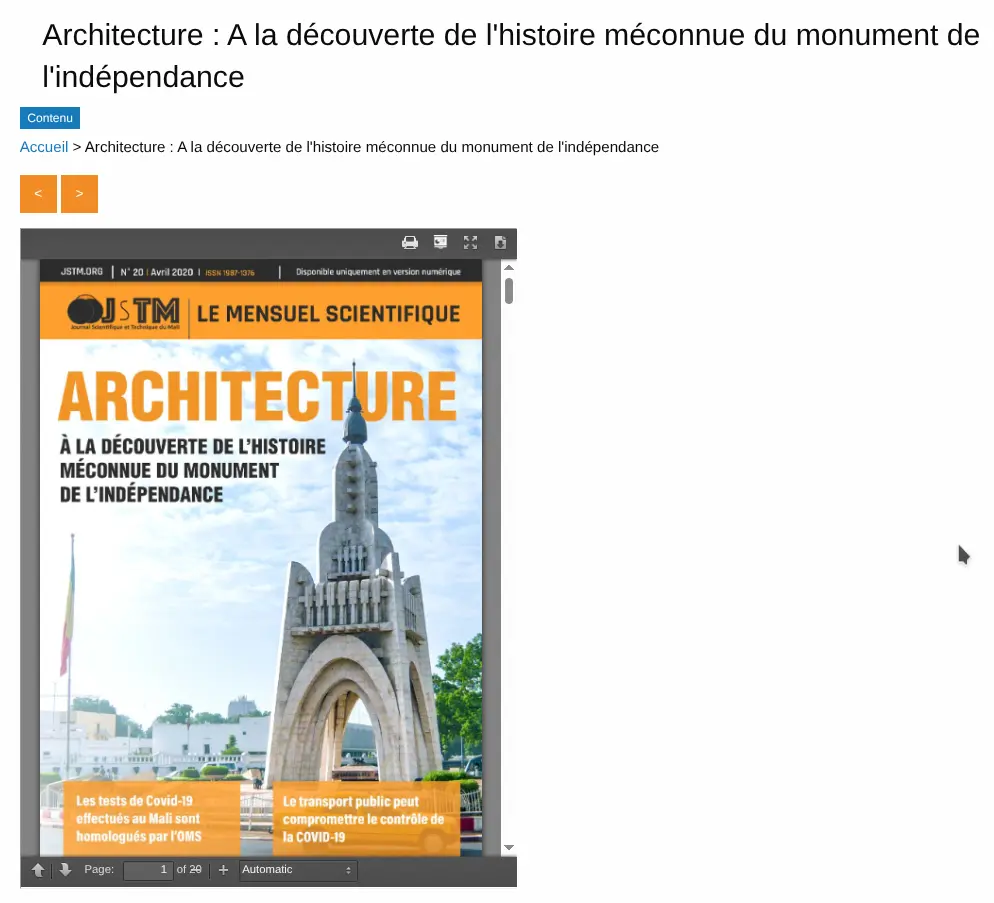
The report highlights an important question. If the younger population have such a natural affinity for content in their language or culture, why should we keep our portal only in french ? This is how the idea of the bambara translation of the portail came to be.
Why should french not be the only option ?
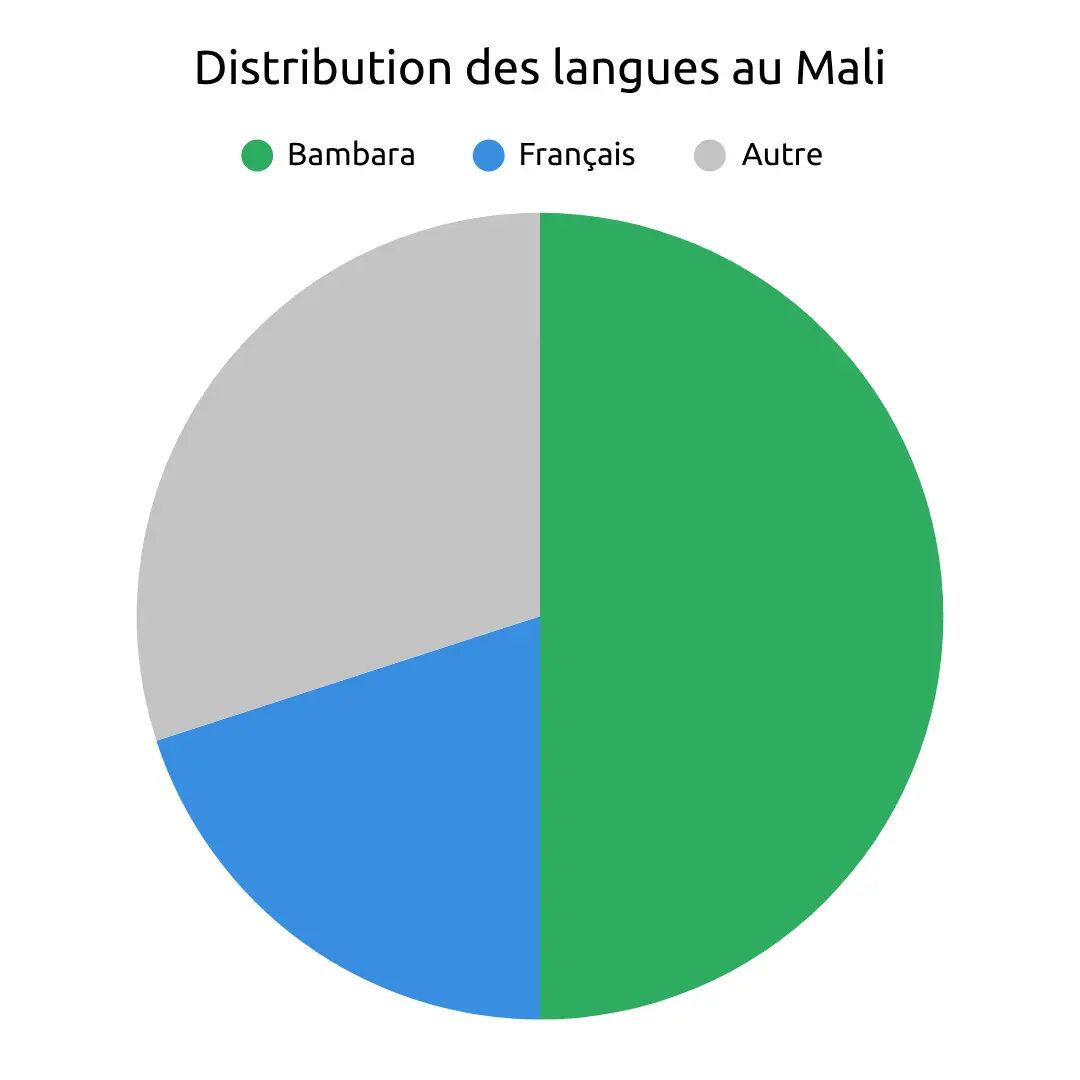
In Mali, less than 20% of the population speaks french, while more than 50% do speak bambara. To only propose our portail in french would mean excluding the majority of our target audience. Not to mention that browsing throught sites using someone's mother tongue is more natural and less tiresome for them, even for french speakers. Offering bambara in our homepage isn't a barrier, it's an opportunity
But the integration of a new language doesn't just mean translating words. Here's how we proceeded.
The challenges of translation
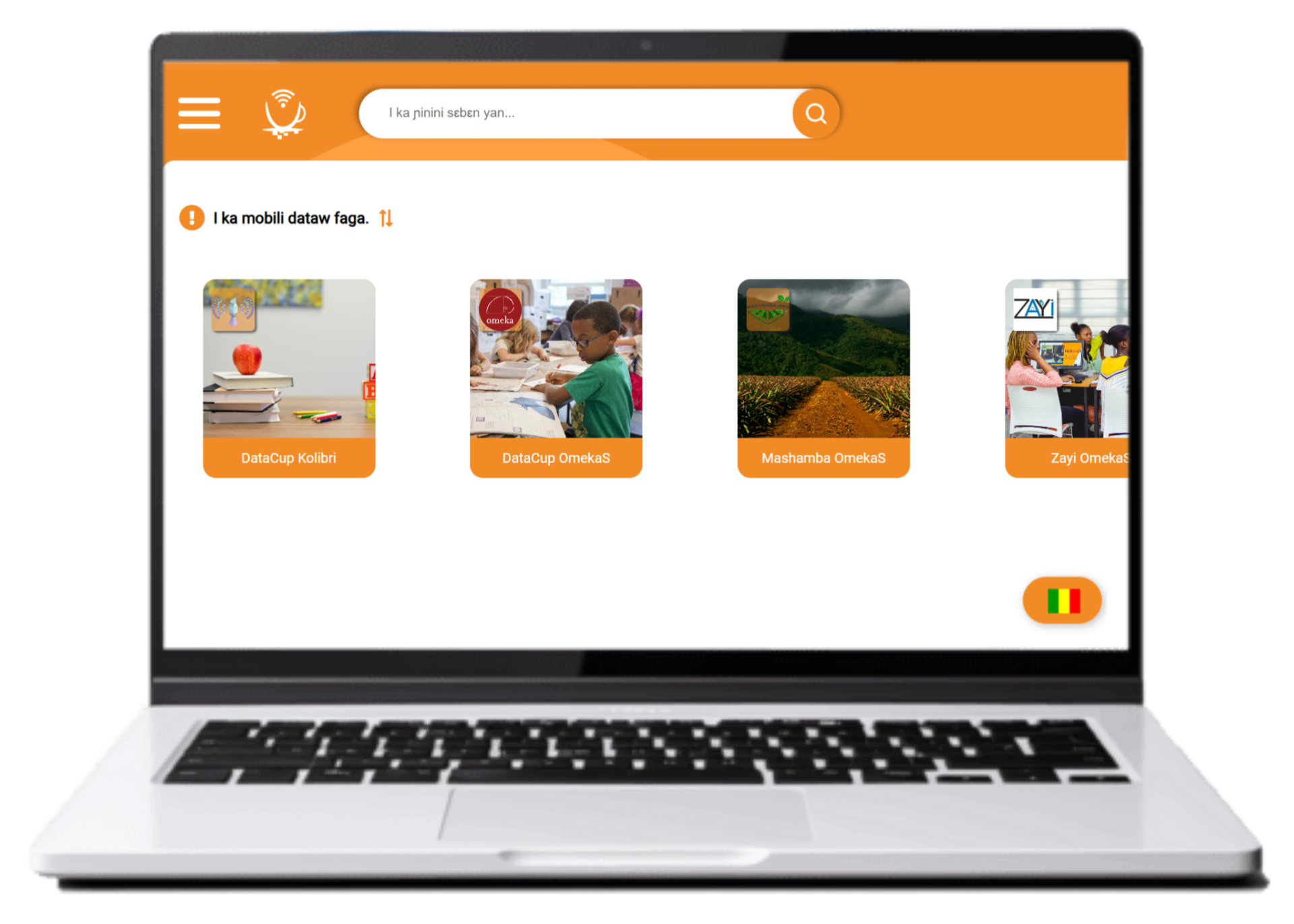
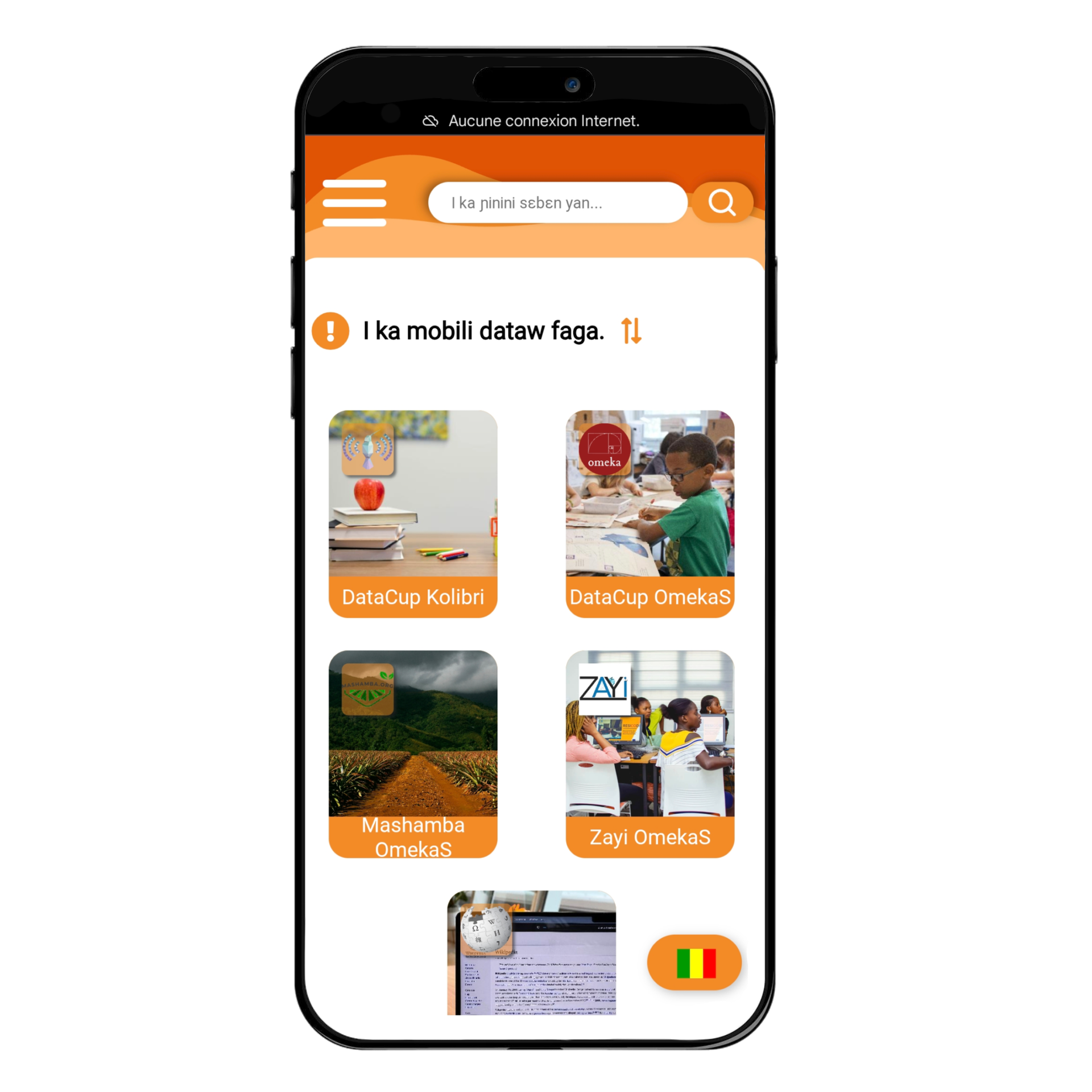
Academic Bambara uses phonetic characters that aren't found in the standard latin alphabet, such as ɲ, ɛ, or ɔ, as illustrated in the screenshots below. These characters are displayed using UTF-8 encoding (the universal encoding standard on the web), which is supported by the vast majority of modern devices.
There is also an alternative way to write in bambara : the N'ko, an alphabetical script used by the Manding languages, created in 1949 and written from right to left. Despite this, we chose to use the latin-based alphabet, which is used since 1982. However, the integration of the N'ko alphabet remains possible in the context of future projects. Indeed, Unicode has laid out a specific range for N'ko, and thus all its characters are encodable in UTF-8. This means the technical foundation is already in place.
As for the translation itself, we used automated tools (Google Translate, AI) as a starting point. However automatic translation isn't really fit for encapsulating the local usages and cultural nuances specific to each community. This is why the final version was reviewed and greenlit by Mopti's Alliance Française, whose on-field expertise was invaluable.
And here is the result : the on-board portal is now available in bambara, on any device, whether it is your phone or your computer.
Beyond Bambara
With the help of Unicode and its UTF-8 encoding, there are no more strictly technical obstacles to translating into any language in the world, as every alphabet or writing system, from Cyrillic to Devanagari, from N'ko to Tibetan, is already implemented within specific ranges, each ready to use. This is Something we actually tested with Nepali, as part of an experimental project in Nepal (which hasn't yet come to fruition, due to a lack of funding).
But encoding is the only problem when it comes to translating this portal, as two obstacles remain.
First of which is the problem of relevance : we don't add a language without any idea for a project or on-field studies. Providing a translation in dozens of languages - without any context or real-world usage - wouldn't make sense.
The second being quality : for many local languages, automatic translations simply don't exist, and are often unreliable when they do. Each translation must be reviewed and greenlit by local partners or native translators, who can grasp the cultural nuances and relevant usage, as well as avoiding misinterpretations.
These conditions, having to form a genuine project and establish local partners, are the things that guide our addition of every new integrated language.
Conclusion
Bambara is a stepping stone for us
Behind each language added, there is a project, a connection, and a community. And behind that technology, there are people, like hosts or local partners, who ensure that DataCup truly communicates to the people it is meant to help.
While Unicode has removed the technical barriers, we are removing all the others.
So, if you work with a community that speaks swahili, wolof, quacha, or any other language that isn't currently on the portal : let us know ! The list of languages isn't our finish line : it's our starting blocks.
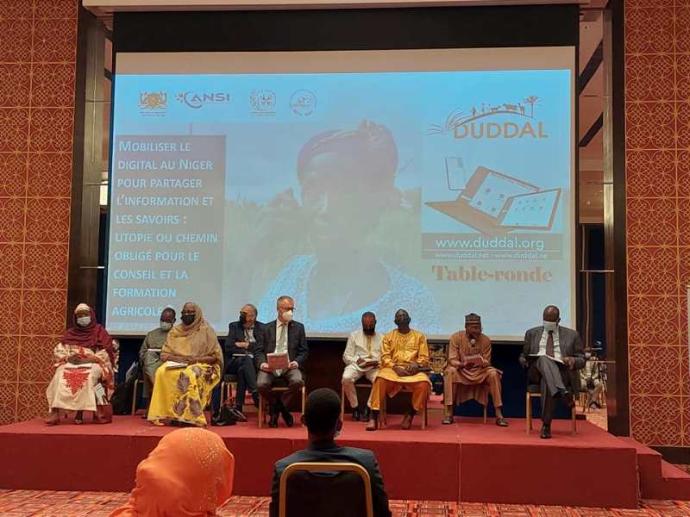 Duddal
 SOS Children's Villages Niger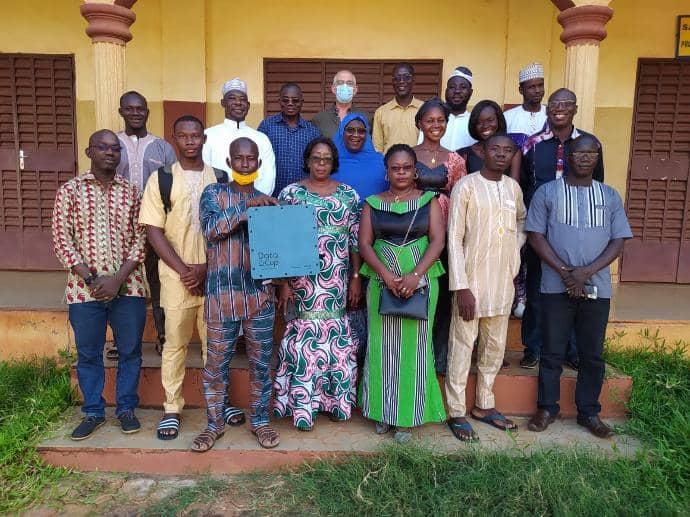
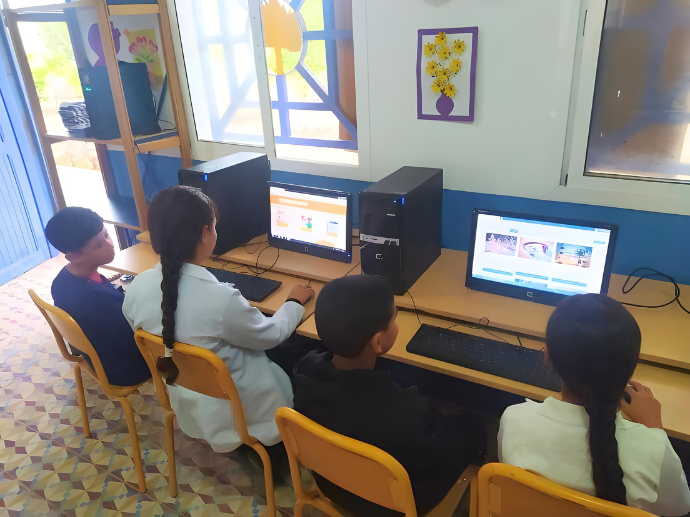
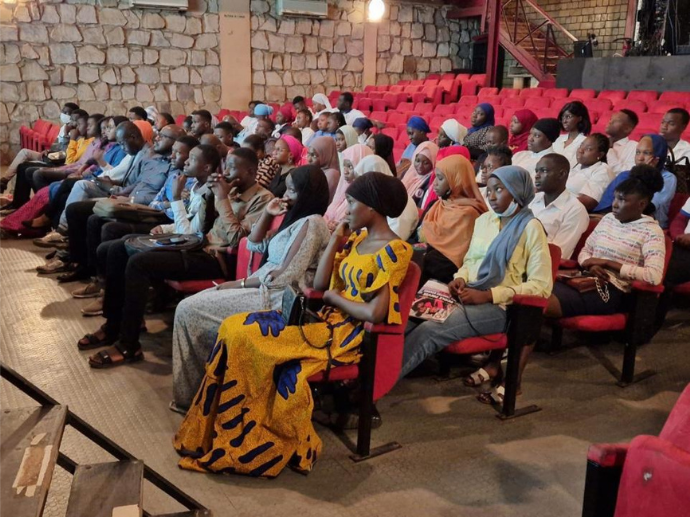
A DataCup in Mali